![Journal of English Language and Literature[JOELL] Logo](https://joell.in/wp-content/uploads/2015/08/Joell-Logo-copy.jpg)
The 1xBet APK is the Android installation file that puts the bookmaker's full app on your phone outside the Play Store, and getting it right matters because a bad download or a blocked permission is what stops most people before they ever place a bet. This guide walks through the file itself, the setup sequence, and — the heart of it — the errors that crop up and how to clear each one. Availability and menus vary by region and app release, so treat screen names as approximate.

APK stands for Android Package Kit, the standard format every Android app ships in. When a betting operator isn't listed in your region's Play Store, the APK becomes the direct route: you fetch the file, tell Android it's allowed to install, and the app behaves like any other on your device. A few things worth knowing up front:
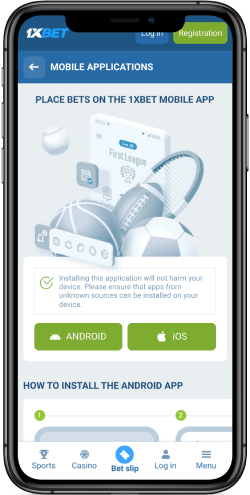
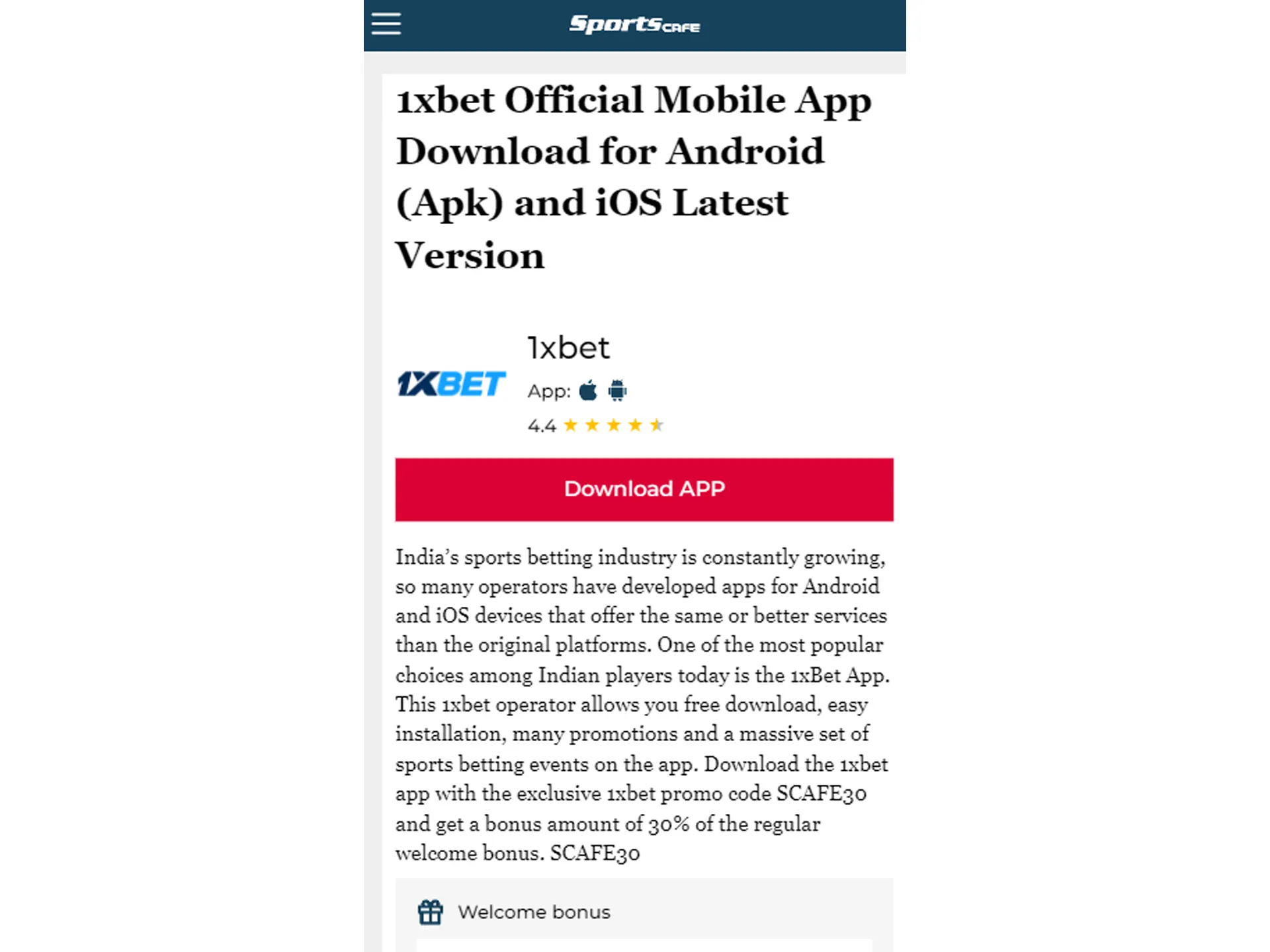
Start by deciding where the file comes from, because source choice decides everything else. A link found through a random search result or a messenger forward is how modified installers circulate, and those are the ones that cause certificate clashes or worse. The sensible habit is to type the operator's address yourself or use a bookmark you saved earlier, then pull the Android package from the site's own mobile section — a dedicated page such as 1xbet mobile apk app install is the kind of destination to look for. Check that the page loads over a secure connection and that the file name and extension read as a genuine installer before you tap save.
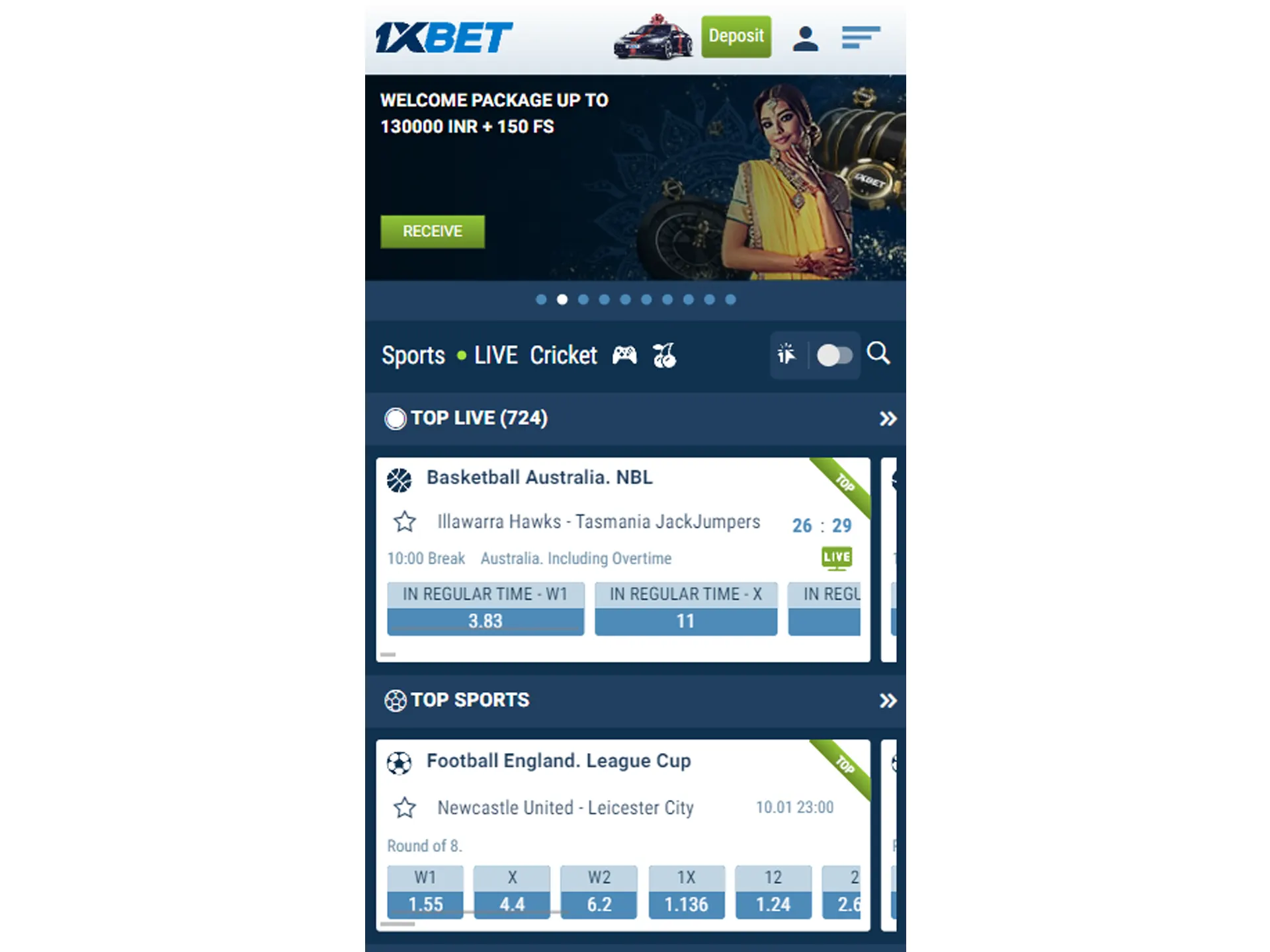
Android blocks sideloaded installs by default, so the one-time step is granting install rights to the source you used — your browser or file manager — inside the security settings. That grant is per app-source, not global, and you can revoke it straight after setup, which is worth doing. The basic sequence:
If you'd rather skip settings menus, the operator's download area — 1xbet mobile apk apk android download fits that description — usually explains the same flow alongside the file itself.
Most failures fall into a handful of repeatable patterns, and each has a straightforward cause:
| Symptom | Likely cause | First fix to try |
|---|---|---|
| Install button greyed out | Permission not granted to that source | Enable installs for the browser or file manager used |
| App not installed | Corrupted download | Re-download on stable Wi-Fi |
| Signature conflict | Old build from another source present | Uninstall the old copy, then reinstall |
| App closes on launch | Outdated version or cached data | Update, or clear the app's cache |
A successful install isn't the finish line. Two post-setup complaints dominate: the app crashing on launch, and updates failing. Crashes usually trace back to stale cached data or a version the phone no longer likes — clearing the cache from the app info screen fixes it more often than a reinstall does. Update failures are sharper: Android refuses an update signed with a different certificate than the installed copy, which is exactly what happens when the original came from an unofficial mirror. The cure is a clean reinstall from a consistent source, accepting that local settings may reset. Never try to patch the problem by layering one site's build over another's.
Sideloaded apps don't update through the Play Store, so freshness is your job. The app typically prompts when a new build exists, and installing over the top works fine as long as the source — and therefore the signing certificate — stays the same. A workable routine:
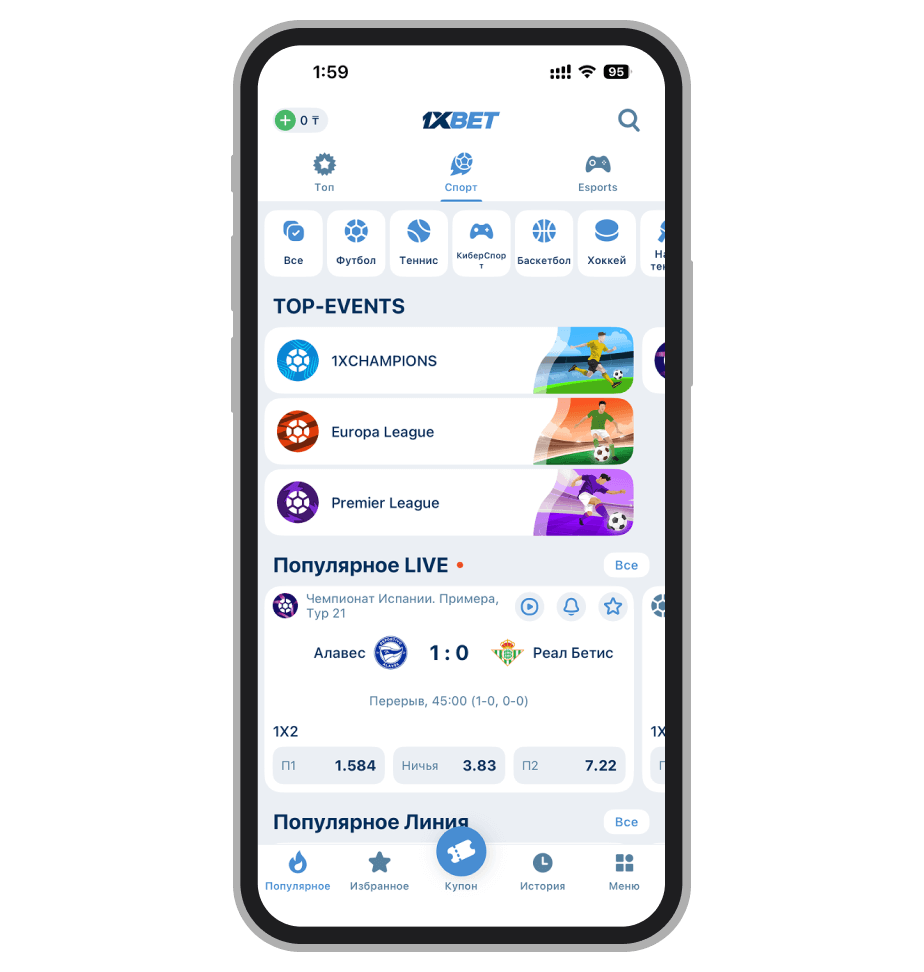
The app mirrors the desktop product: pre-match and live sports betting with in-play odds that shift as events unfold, a casino section with slots and live-dealer tables, account tools for deposits and withdrawals, and bet history. Exact payment methods, streaming availability and market depth depend on your region and the current release, so two users can legitimately see different cashier pages. The practical advantage over a browser is speed — saved login, push alerts for settled bets, and one-tap access during live events.
If your phone is too old, storage is tight, or you'd simply rather not sideload into a shared device, the mobile website covers the same ground: same account, same balance, same markets, no installation and no permissions to manage. The trade-offs are real but modest — slightly slower navigation, no push notifications, and a login prompt more often. Many bettors keep both: the app for daily use, the site bookmarked as the fallback when an update misbehaves.

Android flags any install from outside the Play Store by default; it's a generic warning, not a verdict on this specific file. Verify your download source carefully, then proceed if you're confident in it.
Only if the signatures clash. Same-source updates install over the top; a build from a different source requires removing the old one first, which can erase local app data.
Yes, and you should. The grant is per app-source, so revoking it doesn't affect the already-installed app — it only blocks future sideloads.
Usually connectivity, a stale cache, or regional restrictions. Clear the cache, try another network, and confirm the service operates where you are.
Functionally yes — betting, casino and payments all work in the browser. You lose push notifications and some speed, but gain zero-install simplicity.